Monday 9th and Tuesday 10th September
School of Higher Education of the Polythecnic Institute of Porto
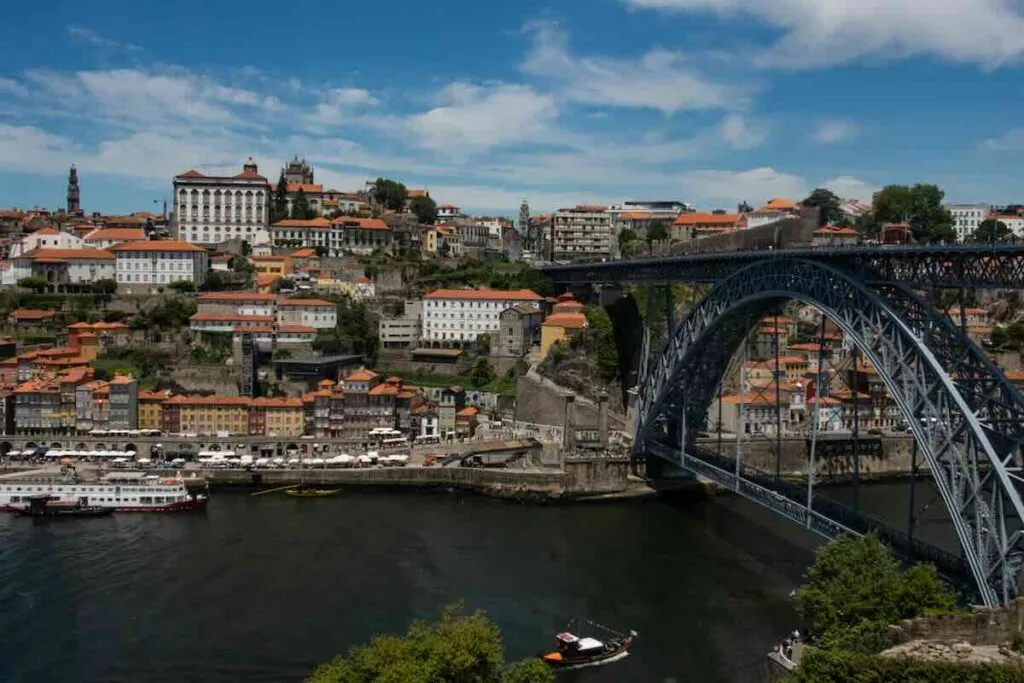
Porto, Portugal
Cycling and Learning: Skills for Ecological Transition?
Cycling is a way to open up space for emotional awareness of the natural elements and their intrinsic value – a crucial step in ecological repair. There is an embodied educational dimension, allowing people to imagine themselves differently in relation to the world. Balance, steering and power, the competencies of riding a bike, are combined with a sense of self-capacity, geographical awareness, and getting to know the routes and habits of riding.
If lifelong learning sees the human experience as the soil from which soul can sprout and societies are (trans)formed (UNESCO, 2010; Kumar, 2017), then cycling is both a practice and a pedagogical tool that supports the development of key skills for ecological transition. It is important to consider practices and policies within which cycling is embedded and their relationship with socio-spatial inequalities and dominant economic thinking.
In the context of the Anthropocene and predictions that climate change may meet tipping points in the coming years, it is crucial that we learn how our way of life can contribute to the balance of ecological systems. The European Council has recently recommended that ‘countries should make learning for ecological transition and sustainable development a priority in their policies of education and training’ (2022:4-6). It calls on all educators to prepare themselves for ecological transitions, something that will involve learning to act sustainably at individual and collective levels.
BiPEDAL is a recent action-research project focused on the educative potential of velomobility, led by the Centre for Research and Innovation in Education in Porto, the local organisers of this symposium. Our quest has been to broadcast the representations and practices that highlight the relations between cycling uses and learning, biopsychosocial development, civic participation, and inclusion ─ as cultural motivators of velomobility. We look forward to building on this work and connecting with cycling research from around the world.
See the programme and presentations.
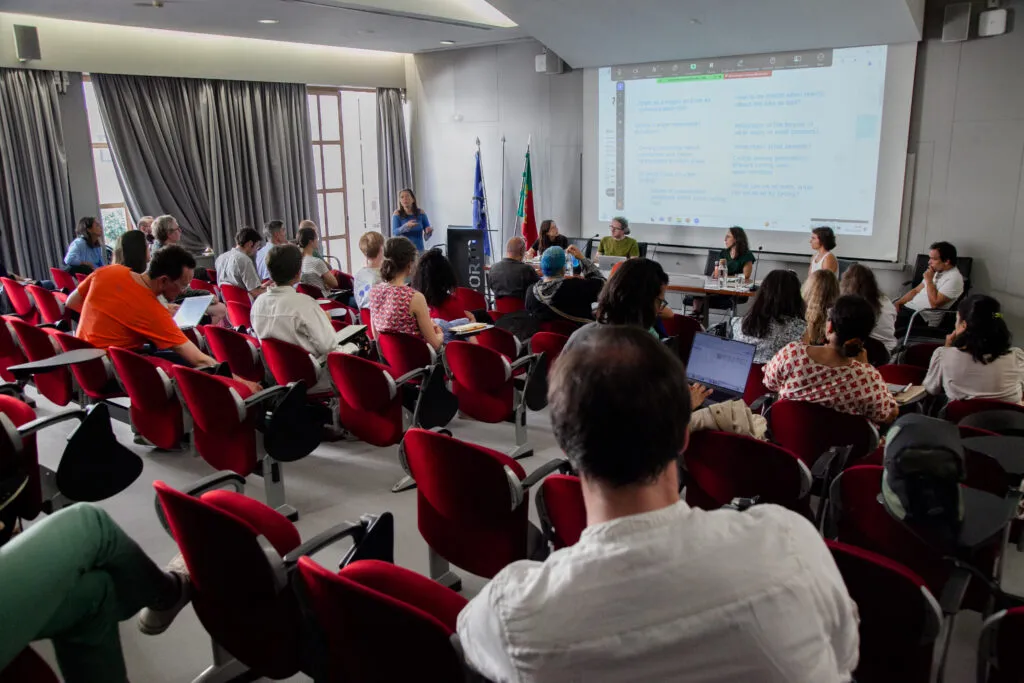
The opening on the symposium at the Polythecnic Institute of Porto
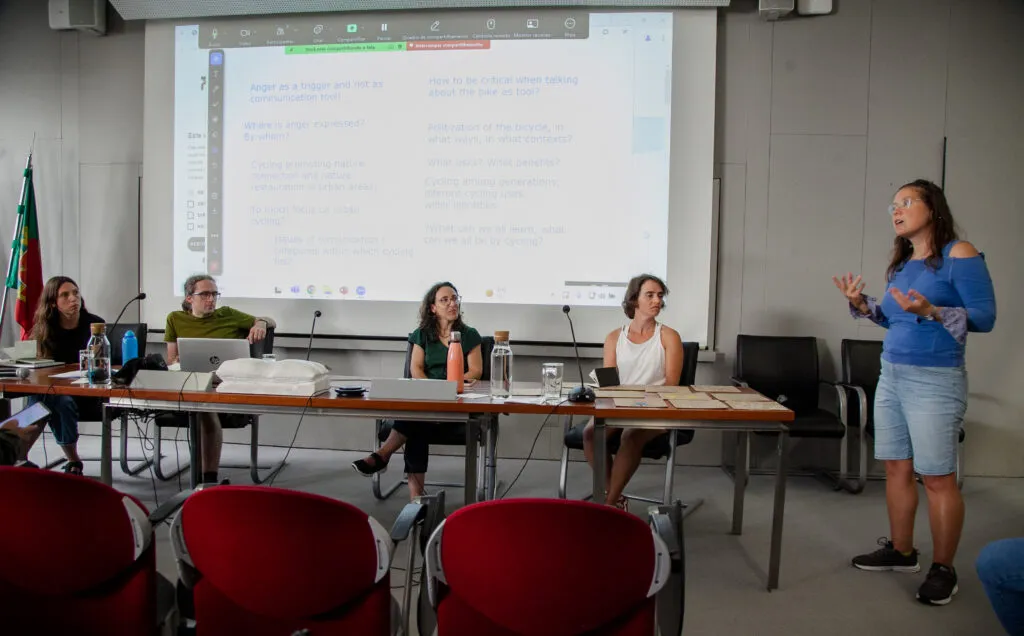
Symposium organiser Vera Diogo chairs the closing discussion
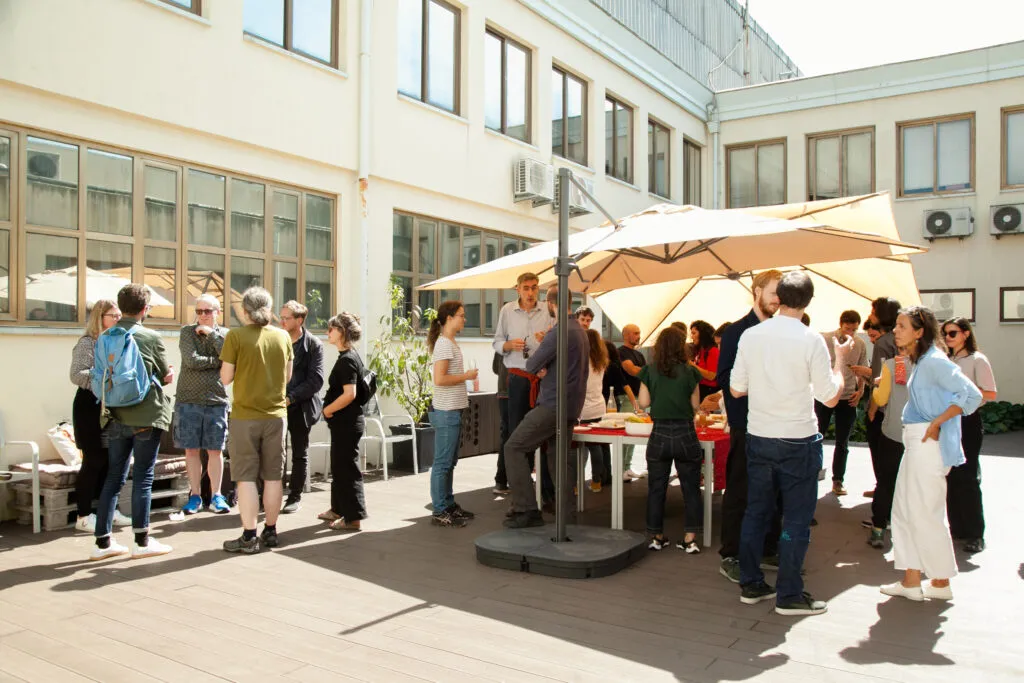
Break time in the sun
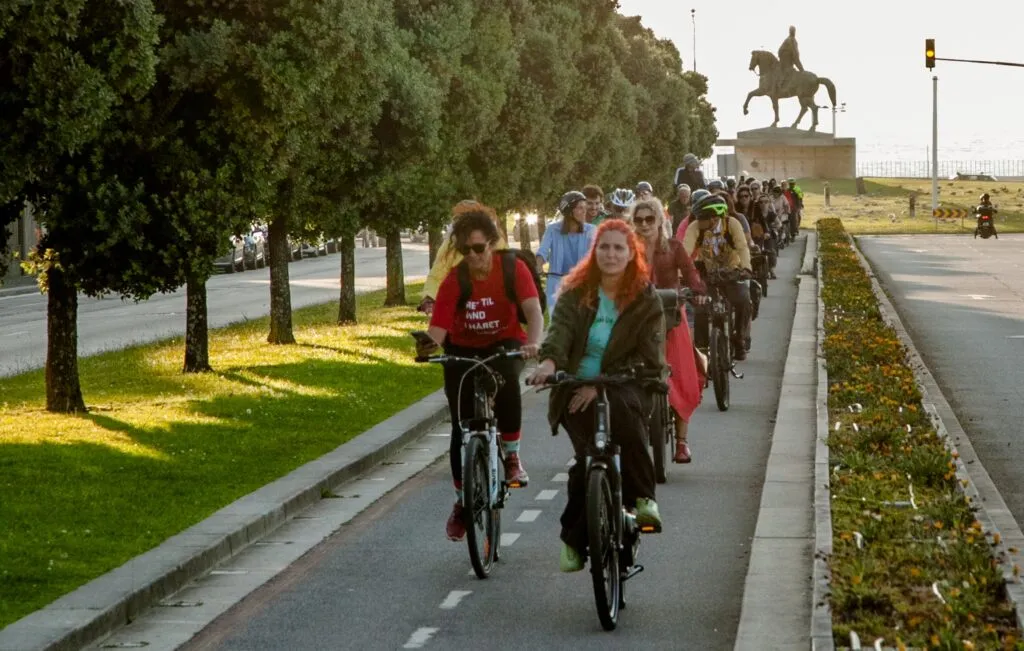
Social bike ride from Paranhos to the coast, through Avenida da Boavista.
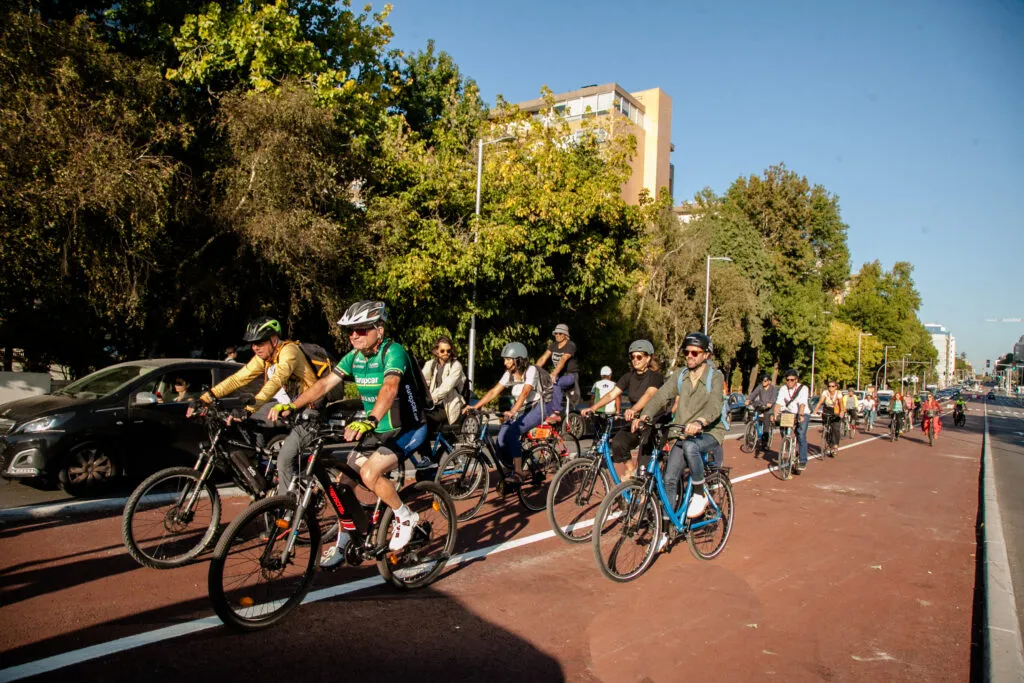
The bike ride followed the route of a new construction to start a metrobus, although afterwards this temporary bike lane was removed.
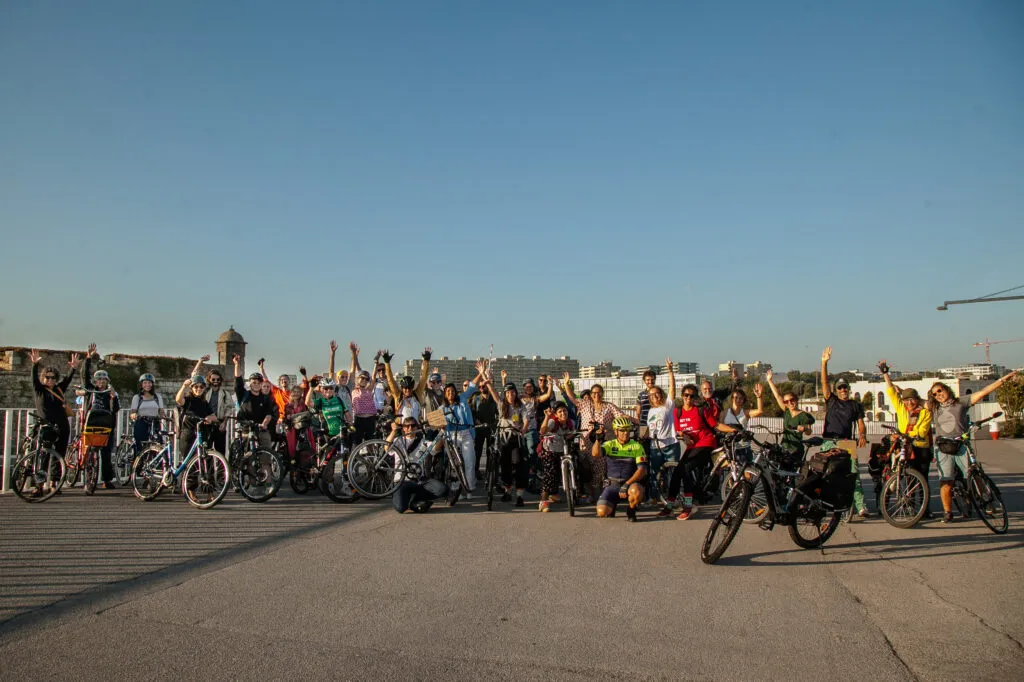
End point of the social ride
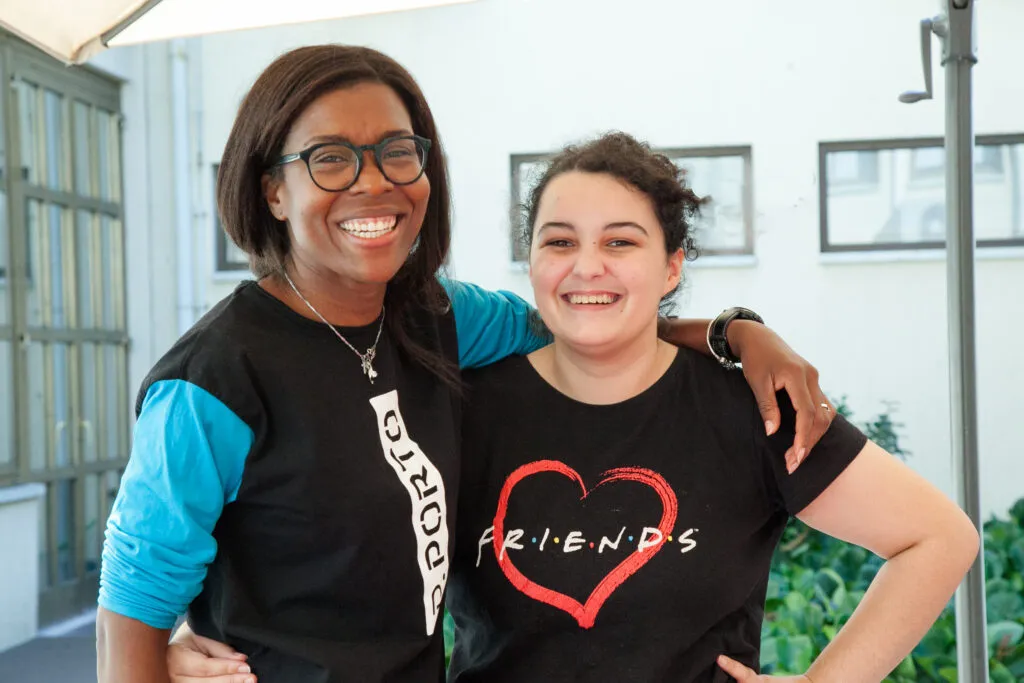
Tamirce Abreu e Beatriz Pinto
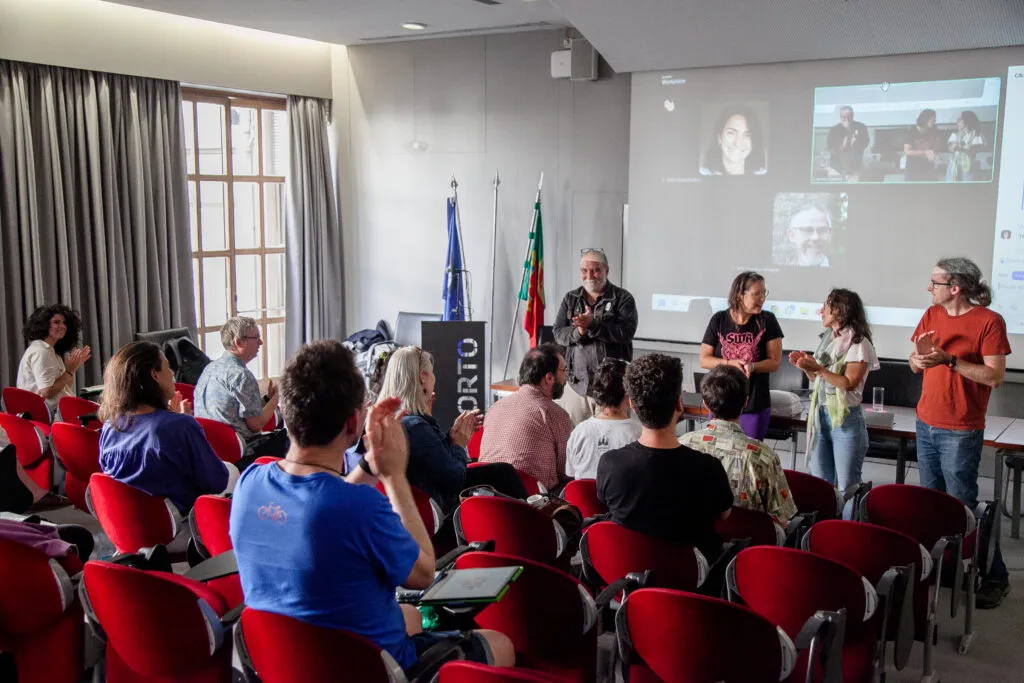
Mario Alves, Vero Diogo, Carina Coelho and Graeme Sherriff close the symposium
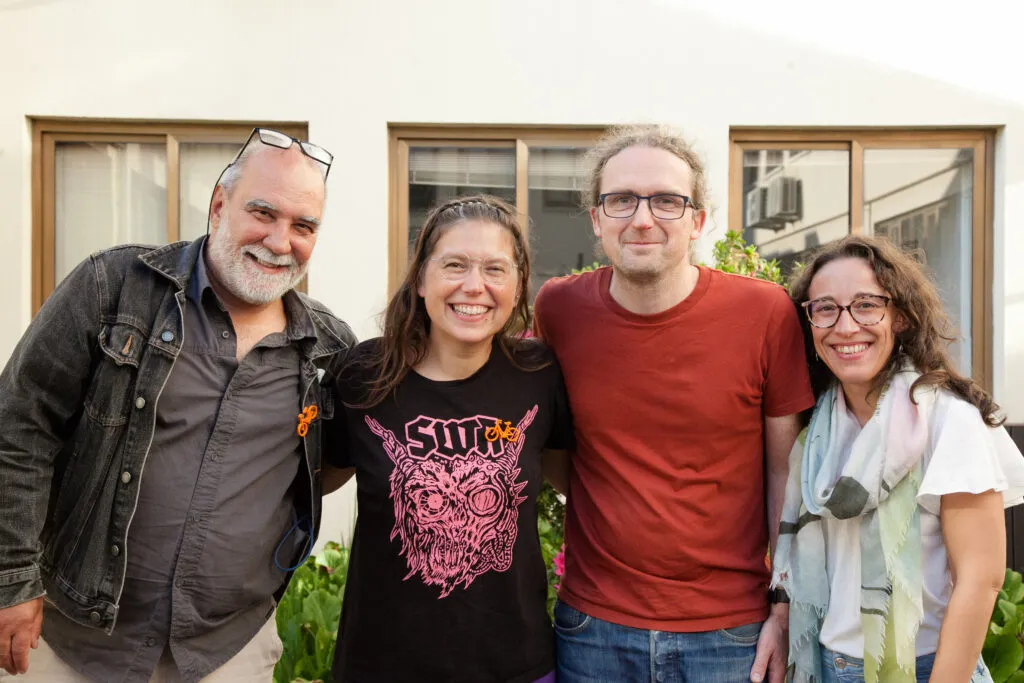
Organisers Mario Alvo, Vera Diogo, Graeme Sherriff and Carina Coelho
All photos by Guillermo Ribas